
The Janissary and Boula costume
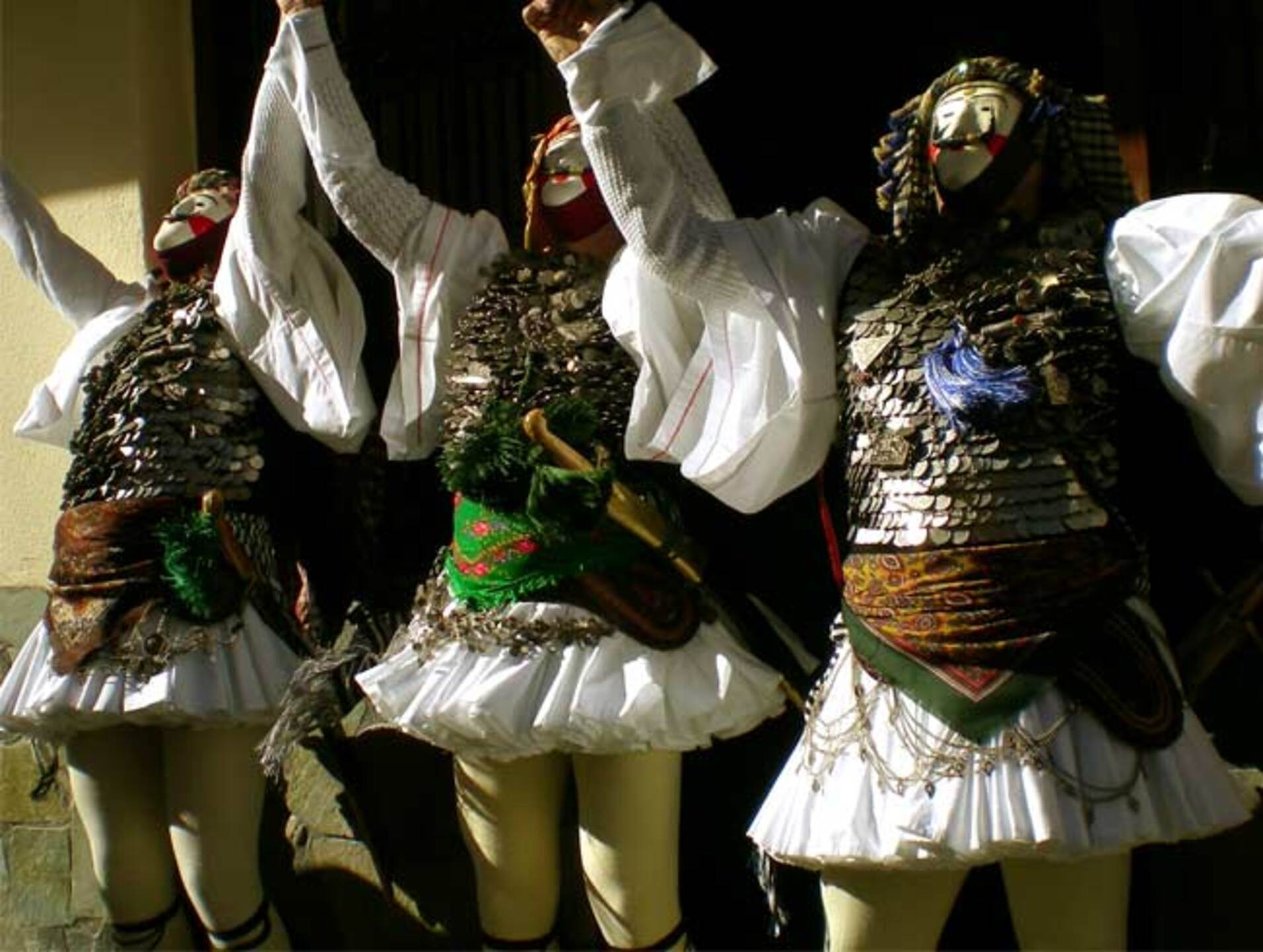
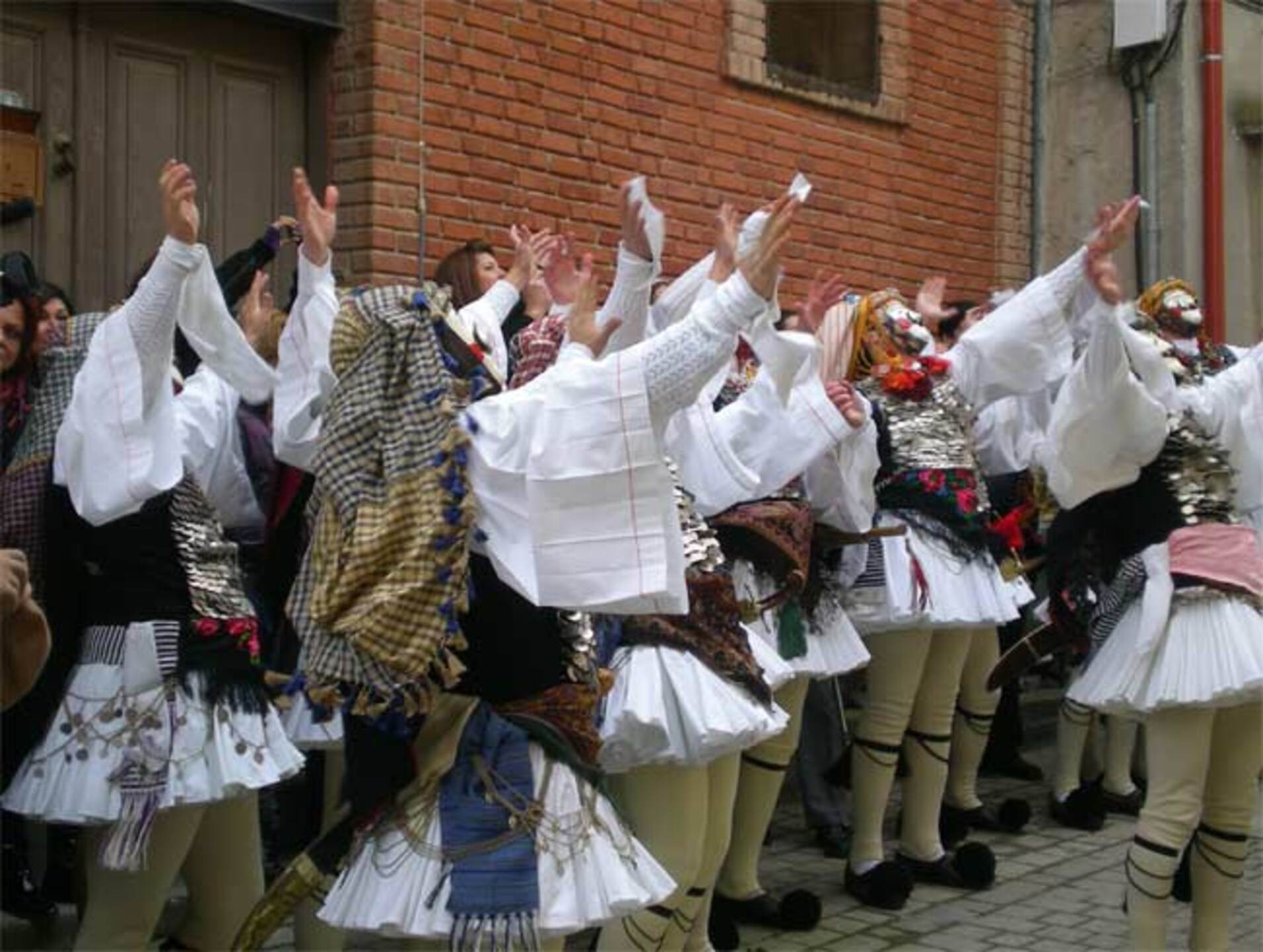
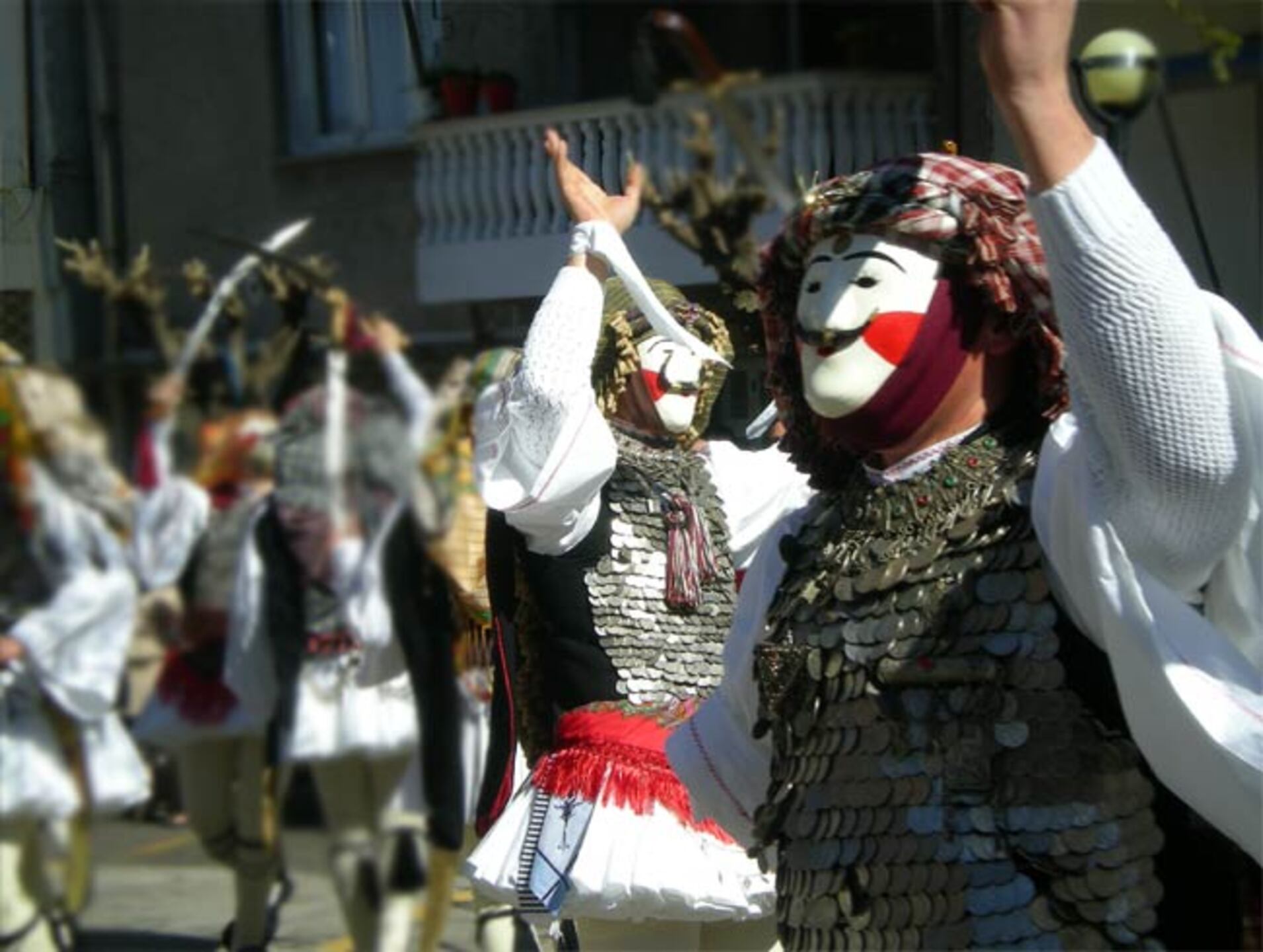
The most heavily worn costume in Greece. It has many martial and religious elements, so that it inspires awe in those who observe it.
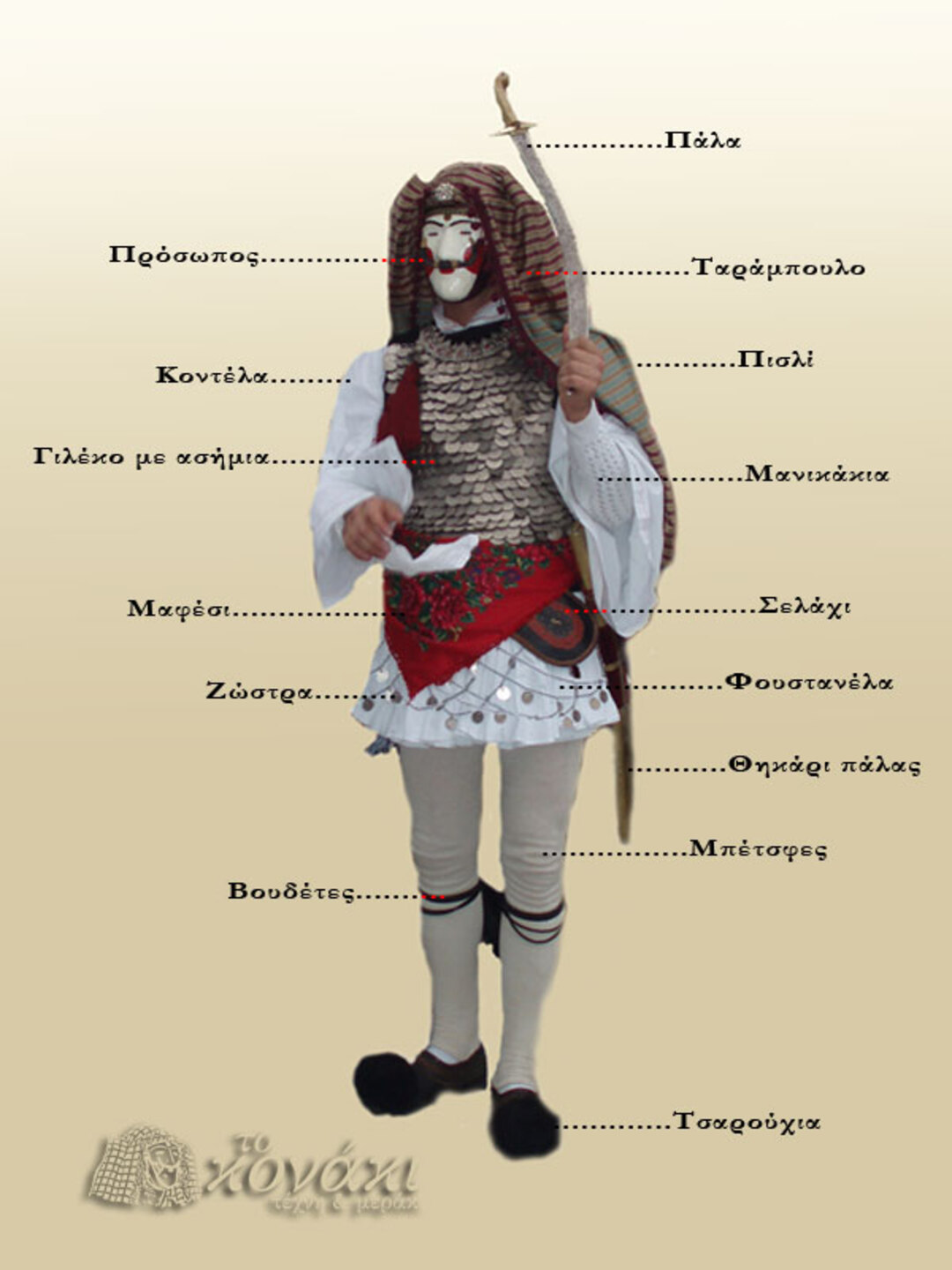
The most heavily worn costume in Greece.
It has several military and religious elements, so that it inspires awe in the viewer.
The costume consists of the following...
The kontela is a type of wide-sleeved shirt embroidered with white and red thread in a herringbone pattern. The same embroidery is present on the collar and sleeves that form well-ironed pleats.
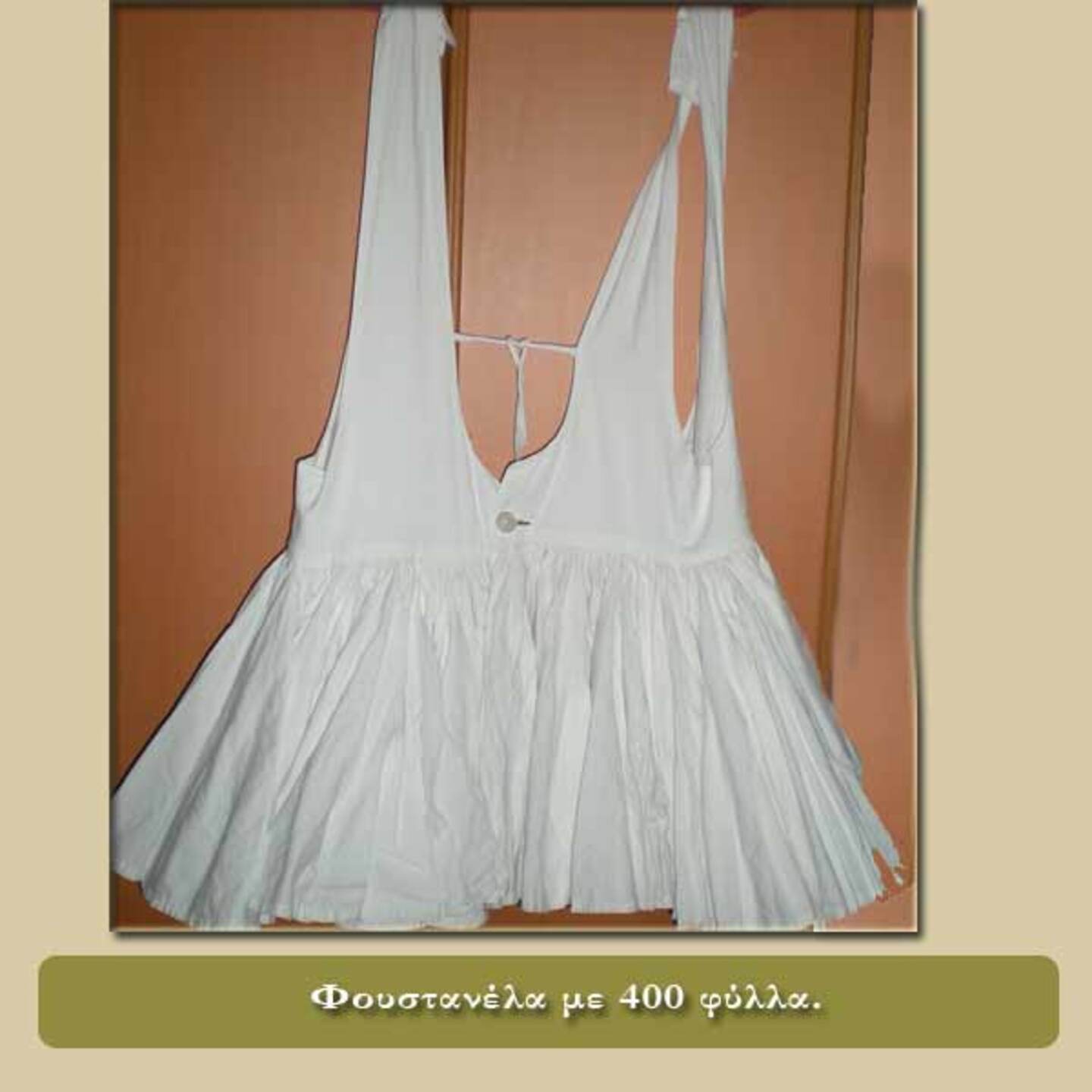
The Macedonian fustanella consists of 400 lagiolia (pleats) and reaches above the knee.
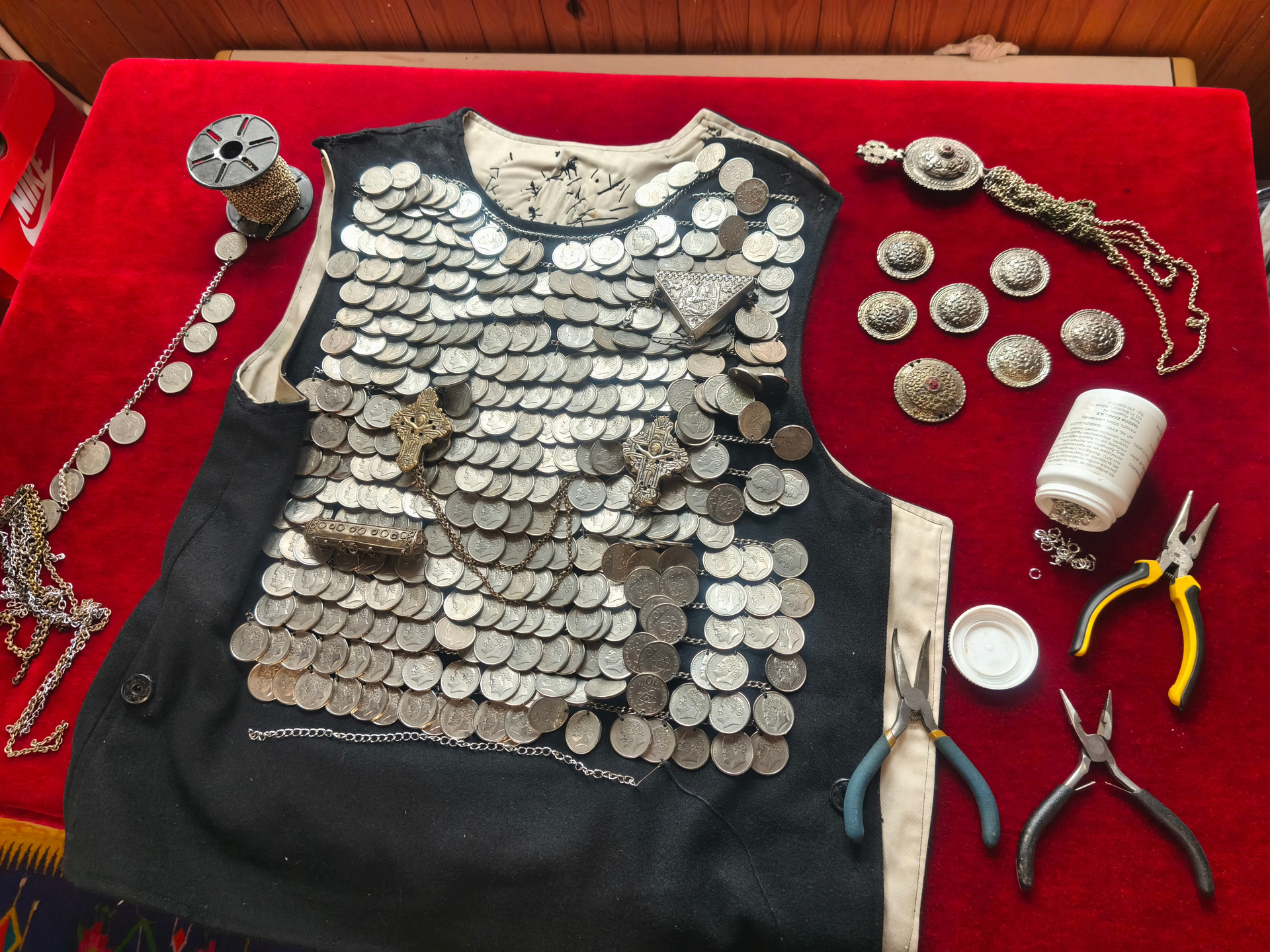
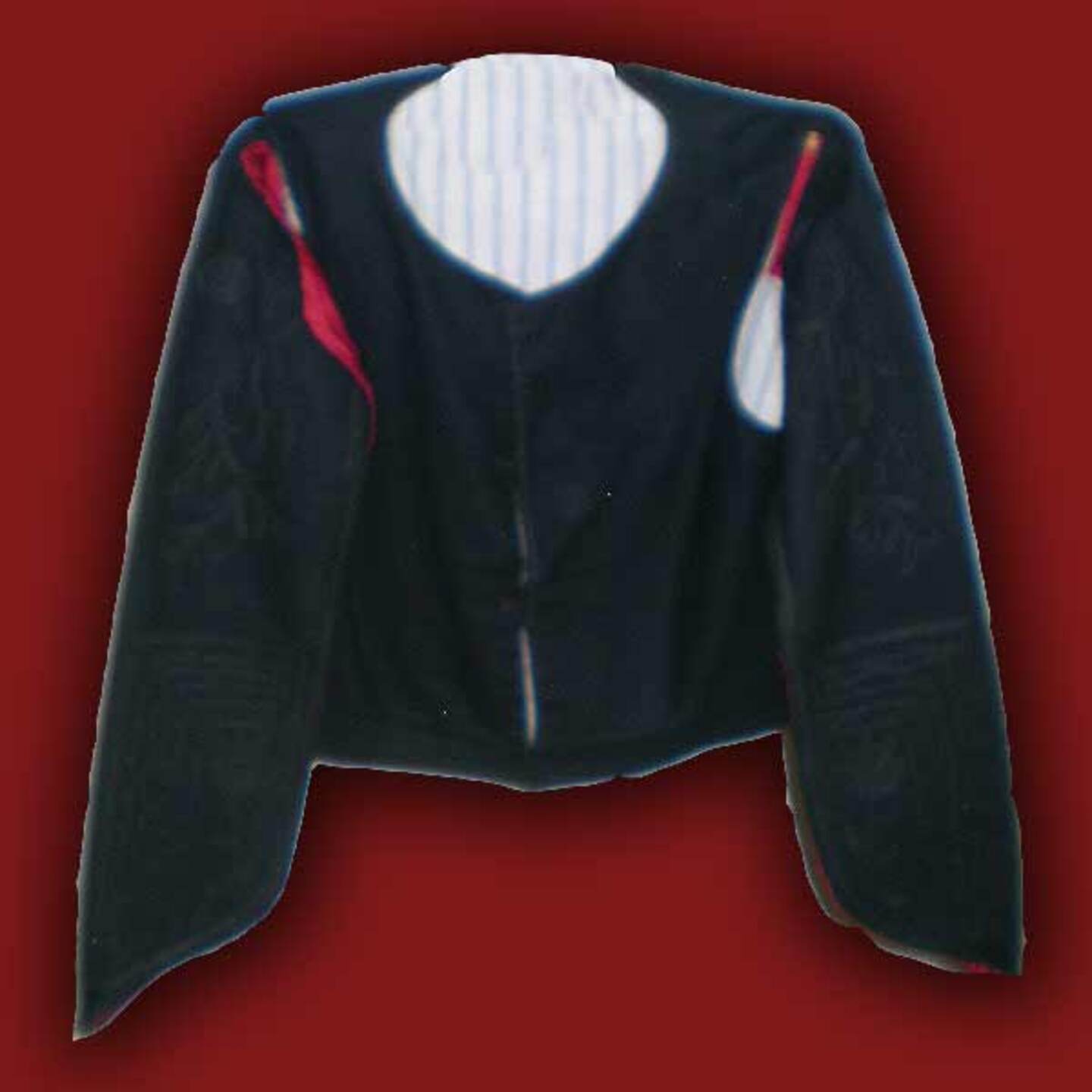
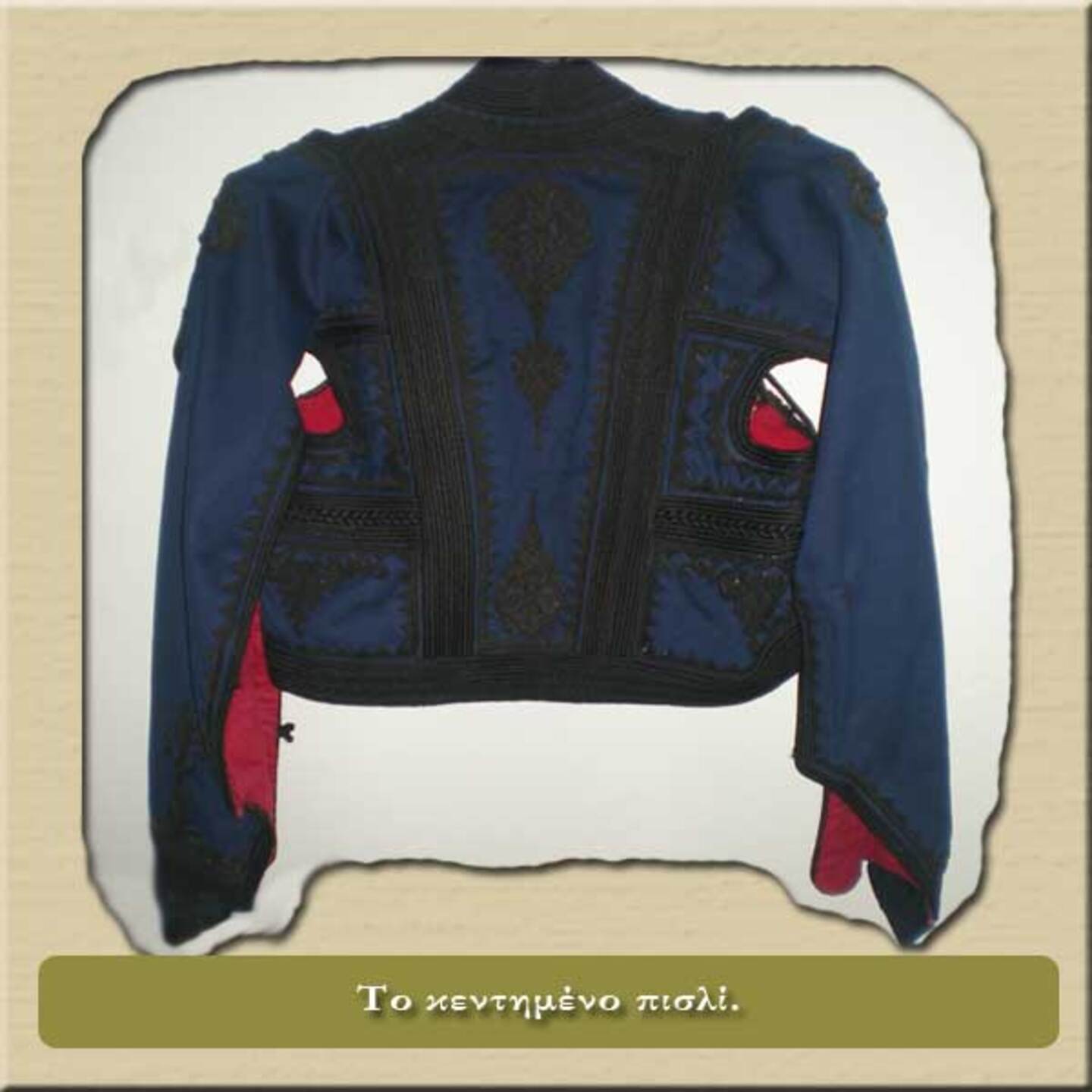
The pisli is a vest made of excellent woolen fabric (felt), embroidered with siriti and karmades. It leaves the sleeves free to move according to the dance.
The Moratian belt they wear at the waist is decorated with white and blue stripes, while at its edge it has fringes that fall onto the skirt.
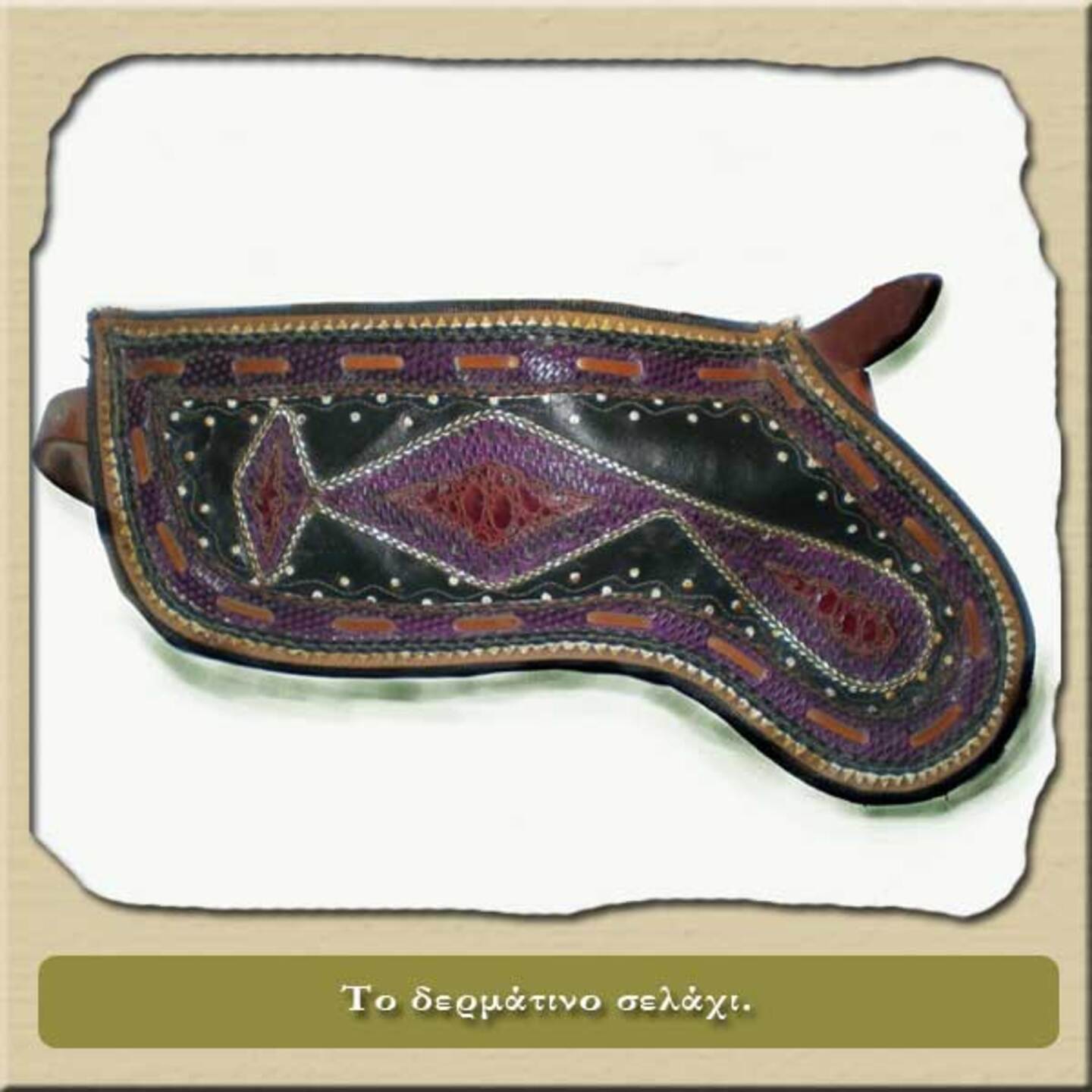
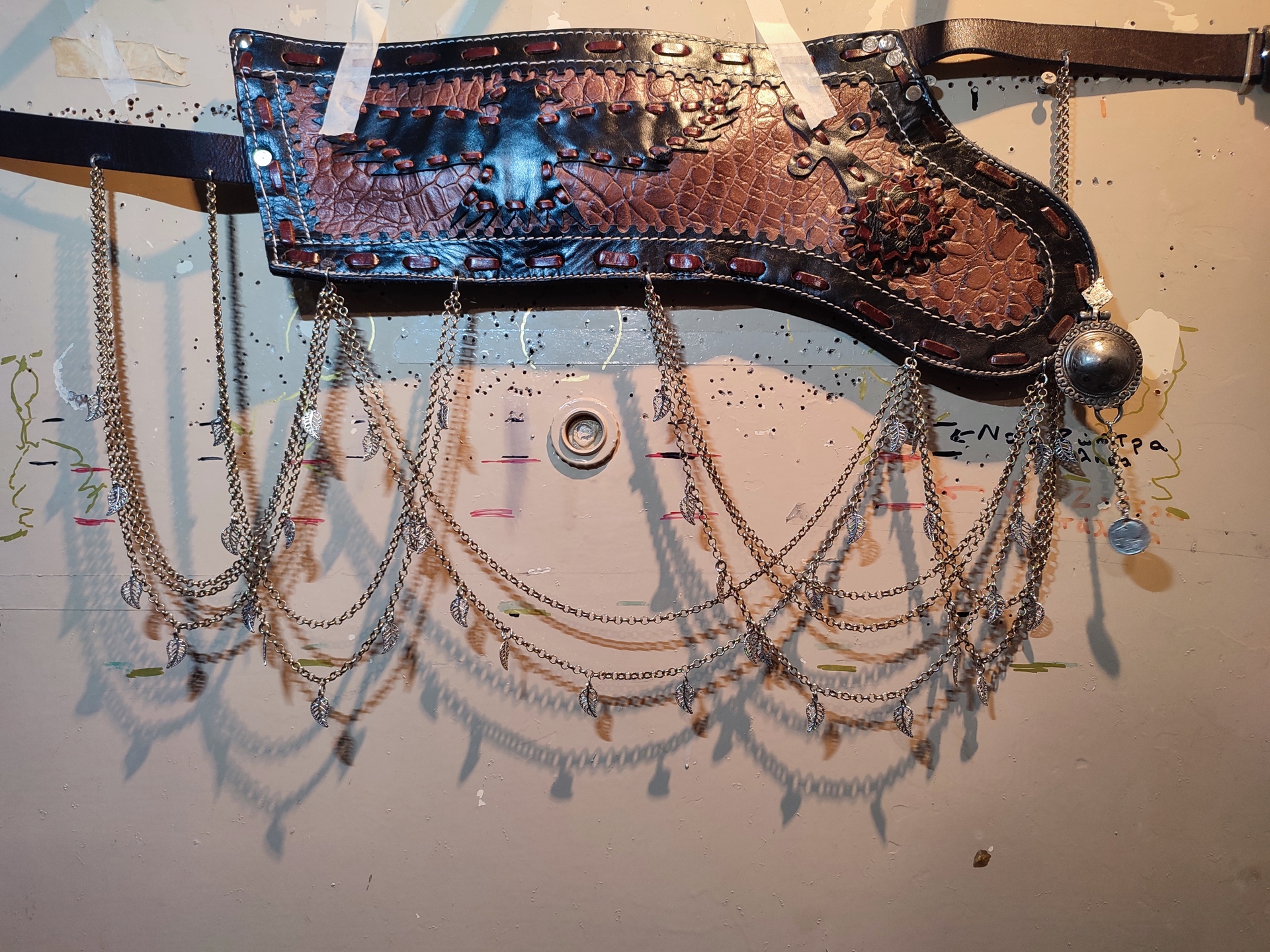
The selahi is sewn from many layers of leather and is used as a wallet or case for a coin and knives.
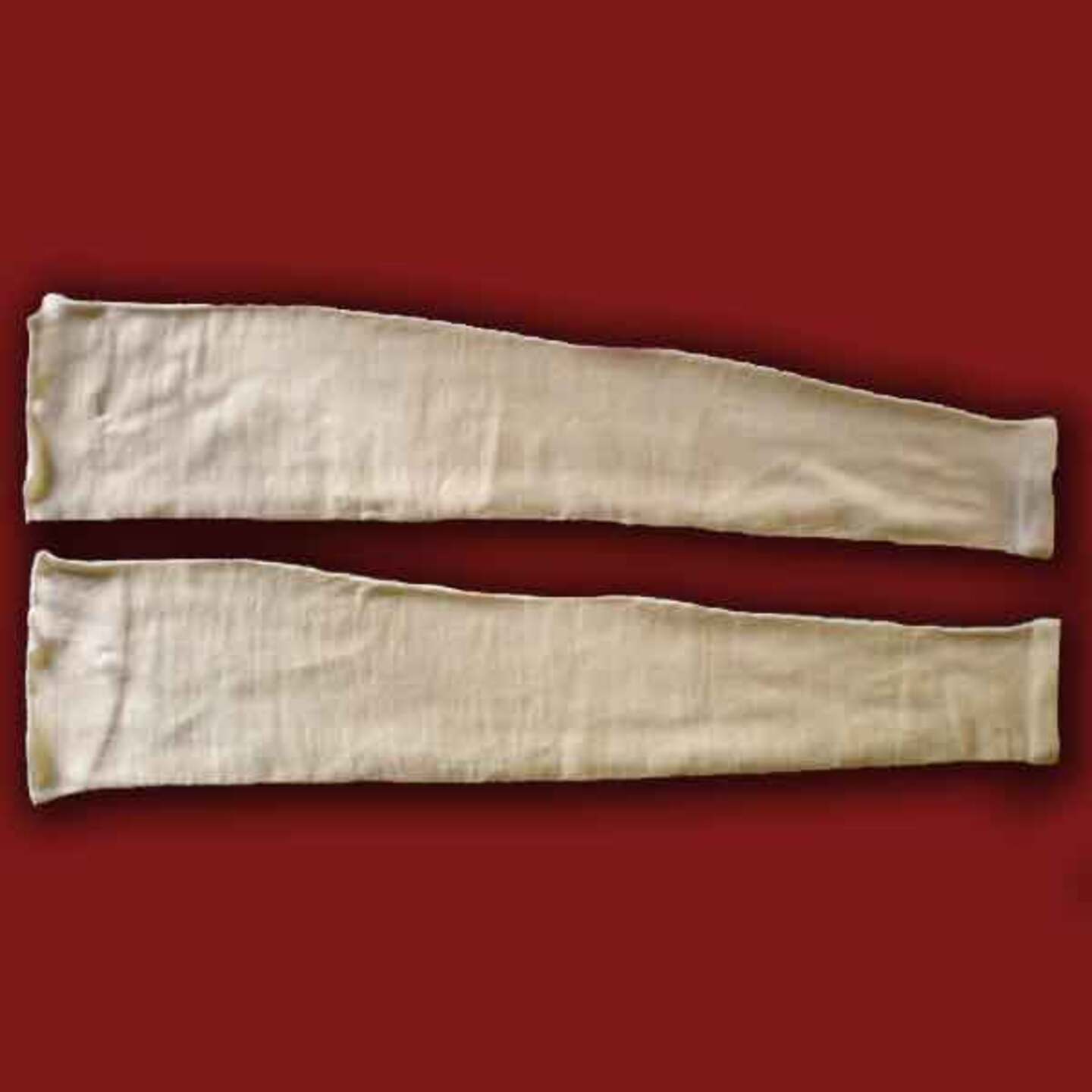
On the legs, the betfes, a type of woolen stocking that reaches the thigh, are distinguished, and their monotony is broken by the boudetes, black fabric strips with tassels.
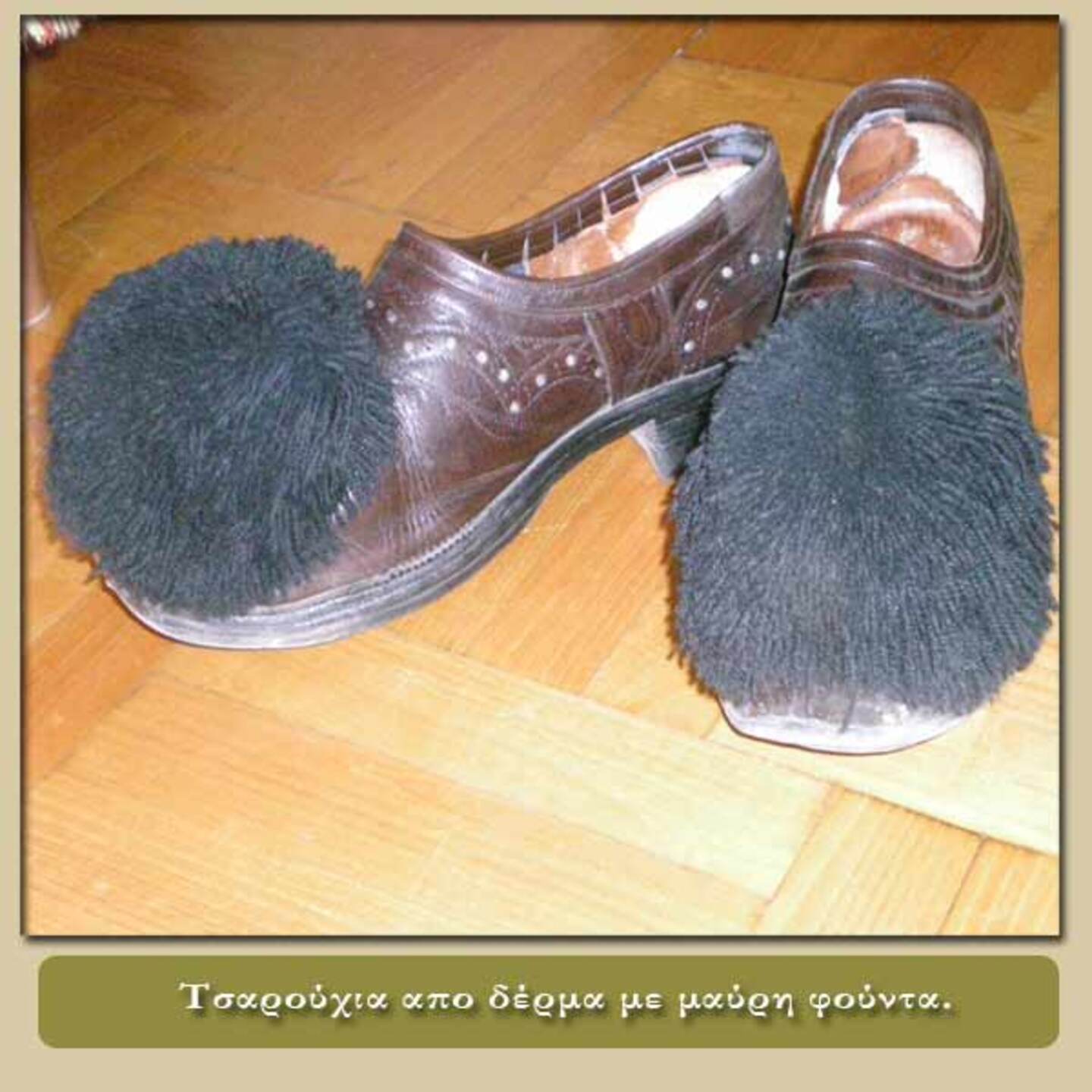
On the soles are the tsarouchia, which are made of leather and end in a dense black tassel.
The only perhaps foreign accessory in the costume is the taramboulo, a belt made of silk in an adimite weave and an oriental design whose weft and warp give small squares. Its length is almost 3.80 meters and its width is 0.90 meters. It is trefoil and each leaf differs in the helm. Between them they are sewn with herringbone.
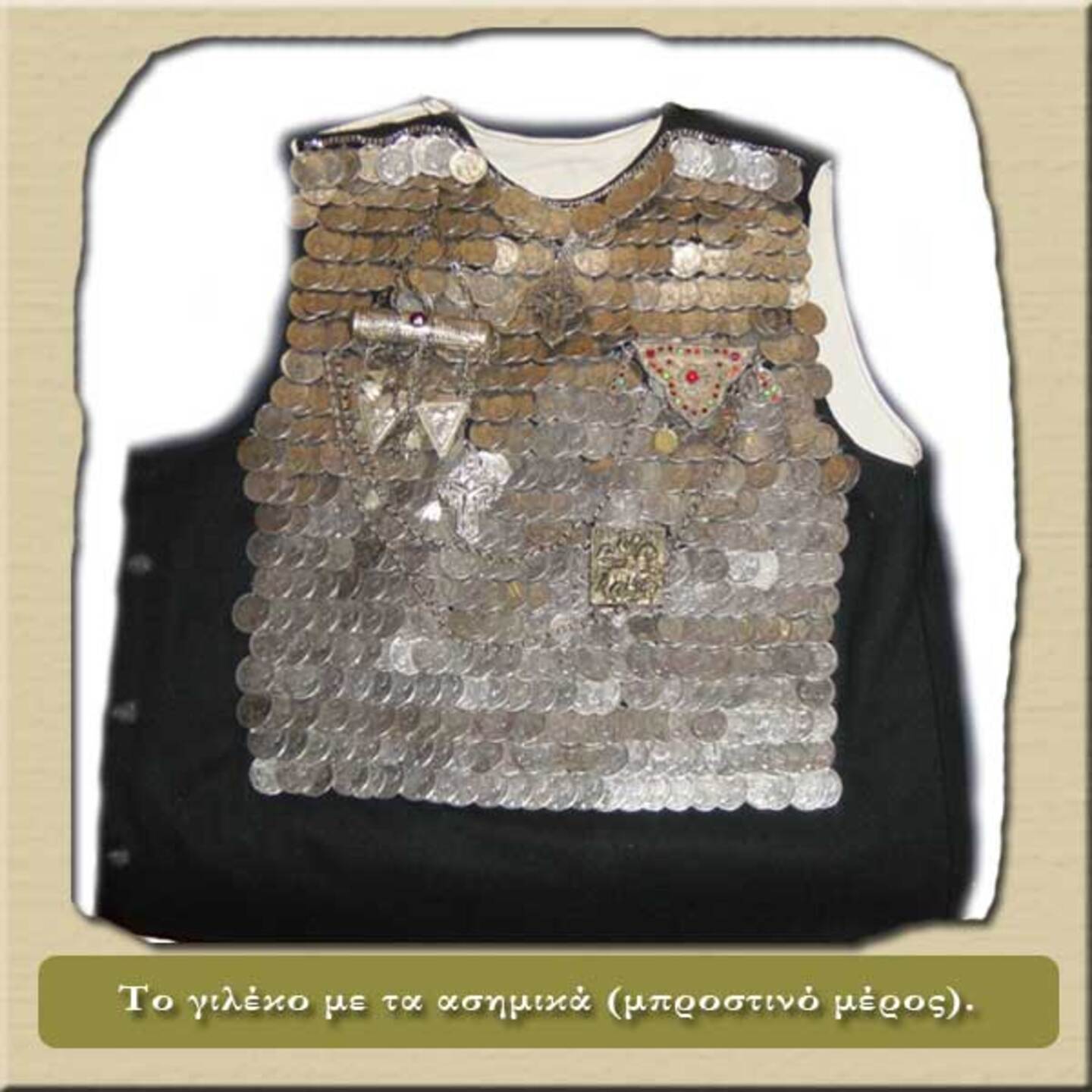
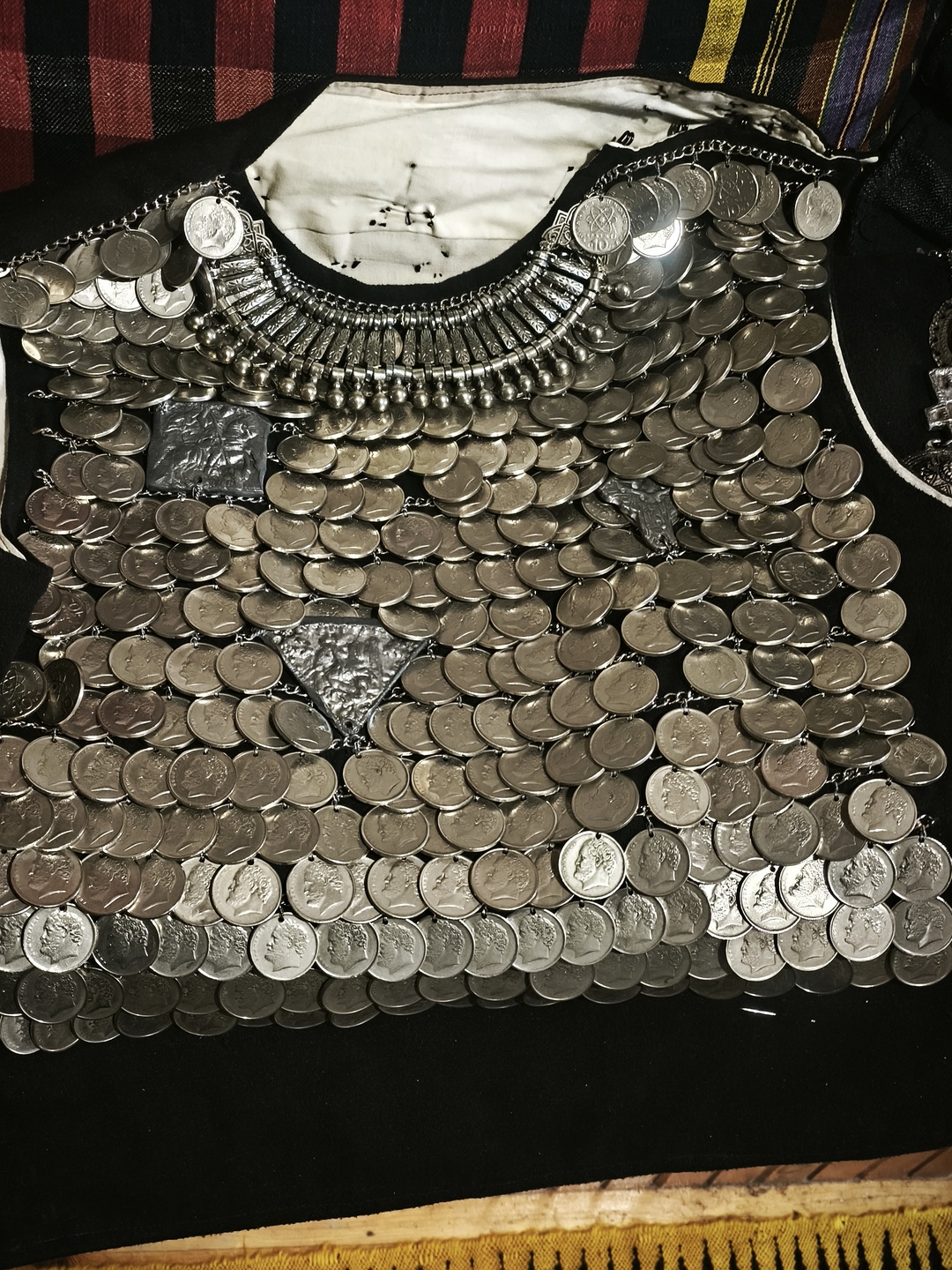
The silverware includes a wide variety of jewelry. On the chest we have old coins (of '26, '30, '34, etc.) while on the neck is the giurdani, while on the chest are distinguished haimalaia and amulets
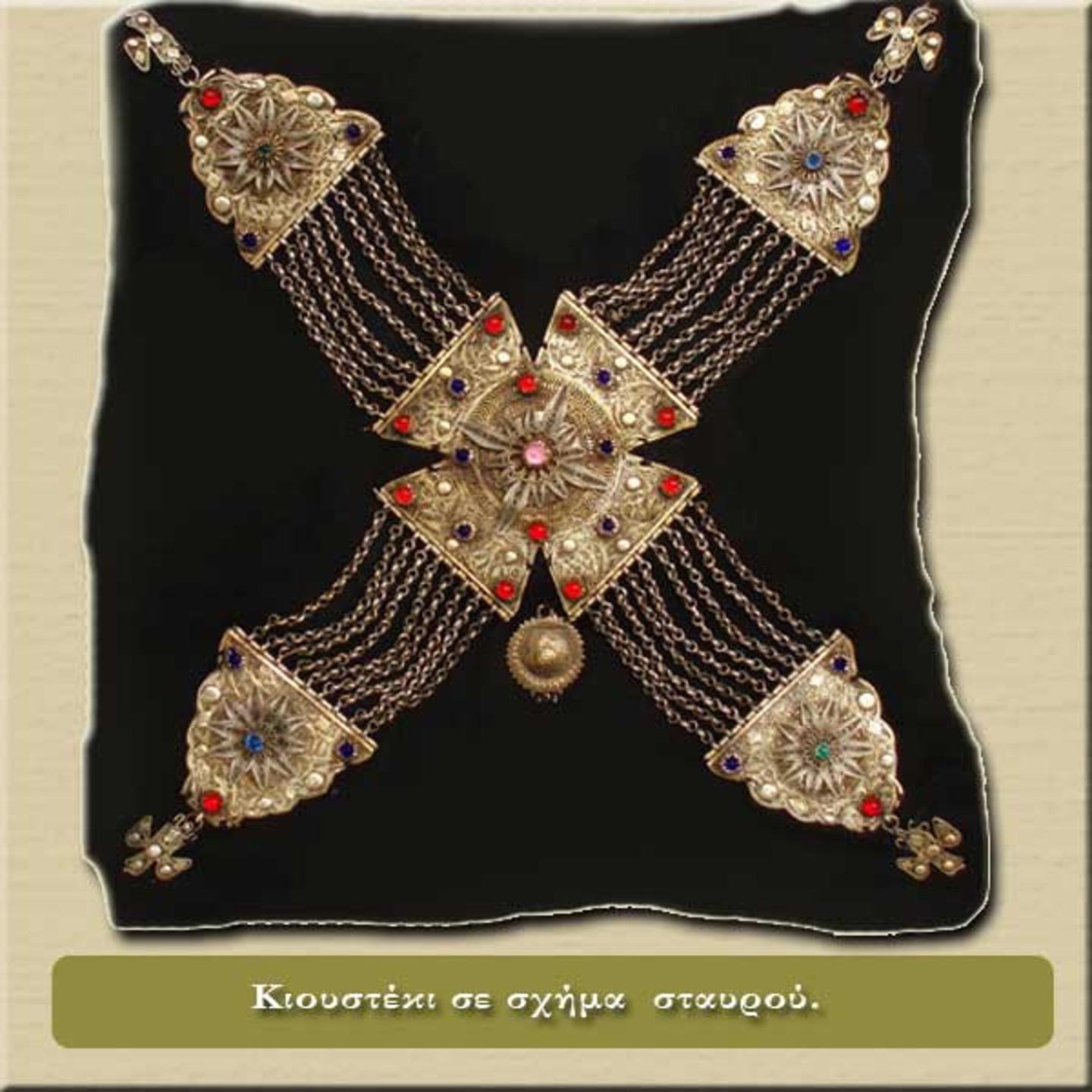
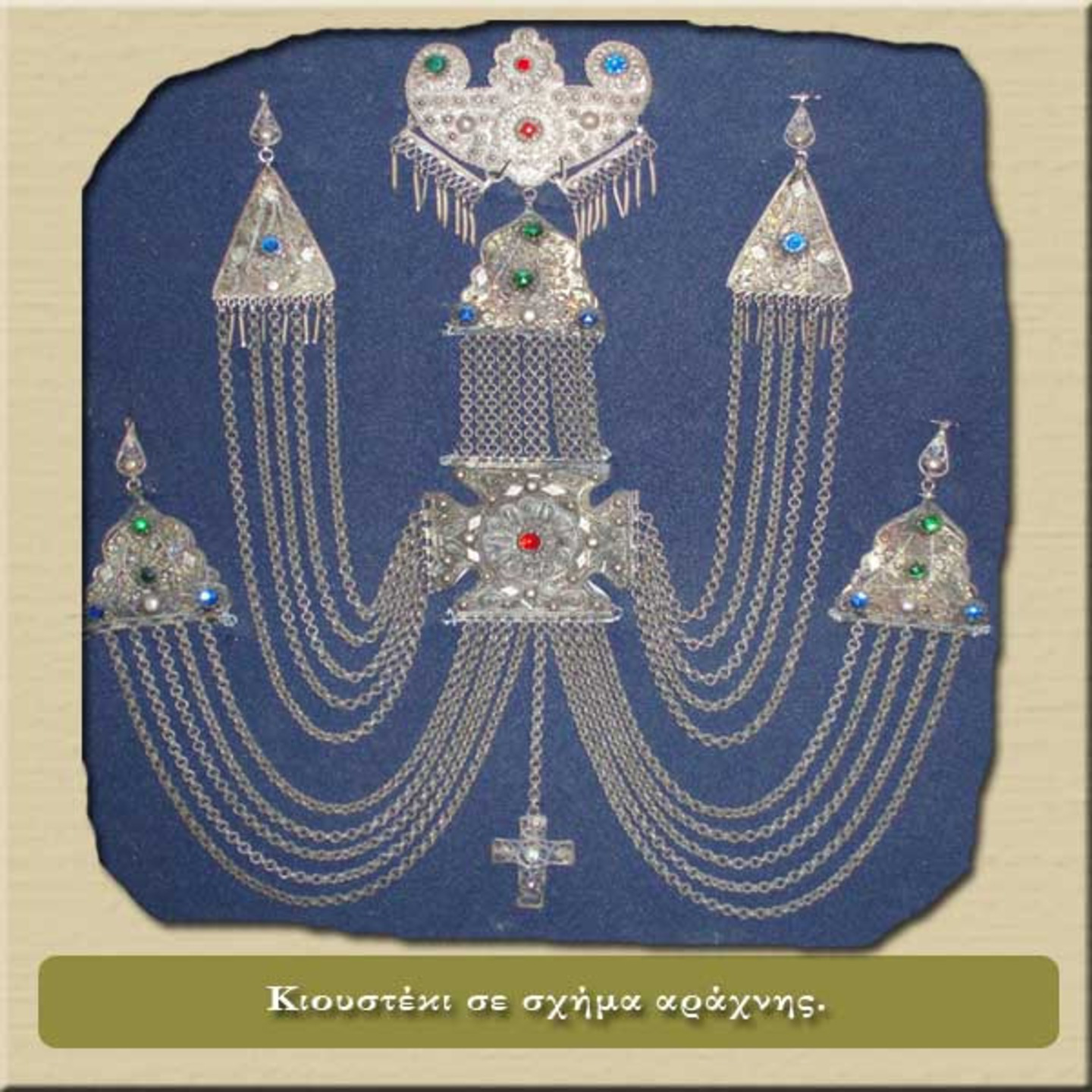
The back of the janissary is decorated with the richest jewelry of the costume, the kiousteki.
Paiantzides, tokadia and kopsiades frame the belt, while the pala (sword) is the actual combat accessory of the costume.